
Car Models
In the Car Models Channel, read about some of the most popular cars to hit the showroom floor. Check out the HowStuffWorks Car Models Channel.
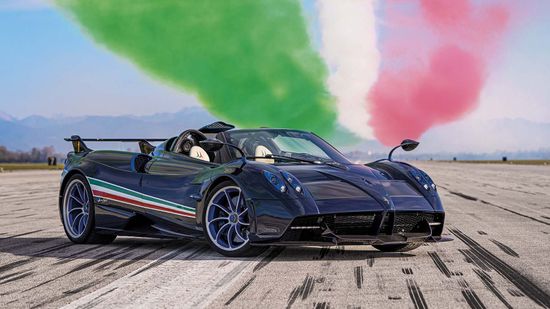
What Is the Most Expensive Car in the World?
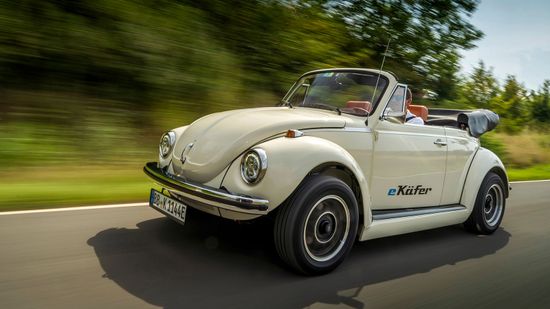
Could Electric Motor Conversions Save Classic Cars?
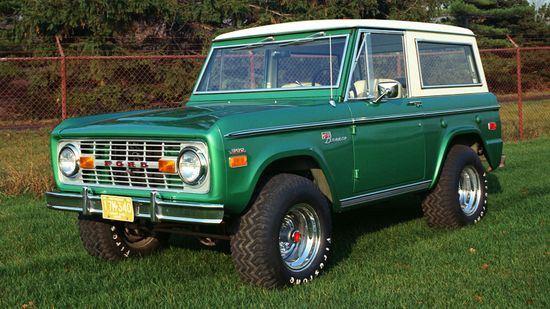
Millennials and Gen Xers Best Boomers at Collecting Cars
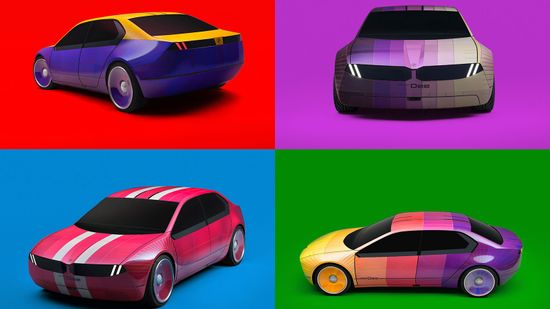
BMW Introduces Concept Cars That Change Color With the Push of a Button
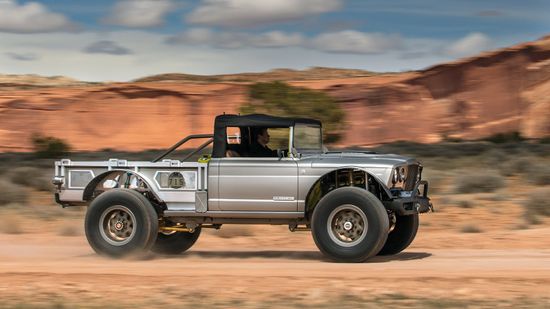
Jeep Celebrates the Gladiator at Easter Jeep Safari

Buying a Concept Car Is Harder Than It Seems
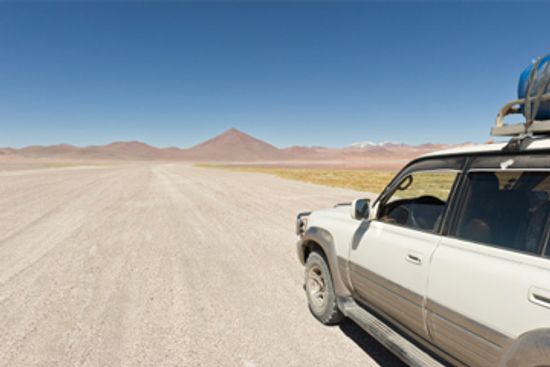
5 All-wheel-drive Crossover Vehicles

5 Reasons to Buy a Crossover Vehicle

5 Surprising Benefits of Cruising in a Crossover
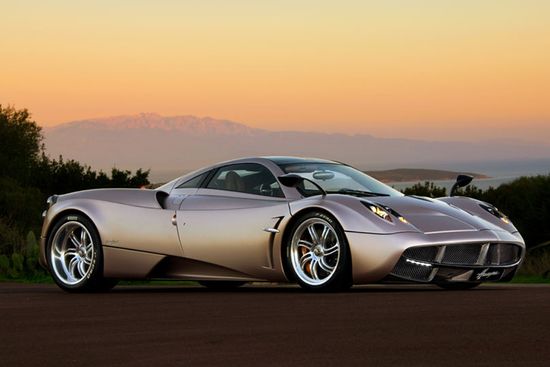
10 Fastest Cars in the World
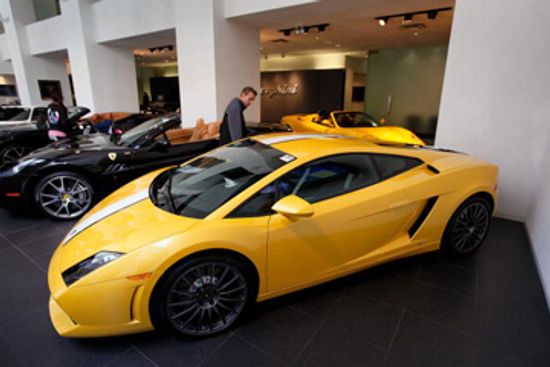
How much does it cost to lease a Lamborghini?
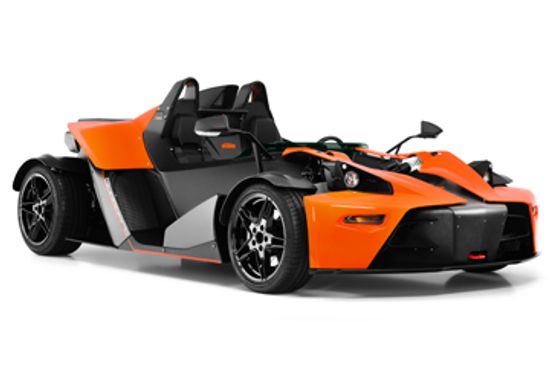
How the KTM X-Bow Works

AC Motors: kW vs. Horsepower

Are Electric Cars Cheaper to Run?

Are electric cars safe in accidents?
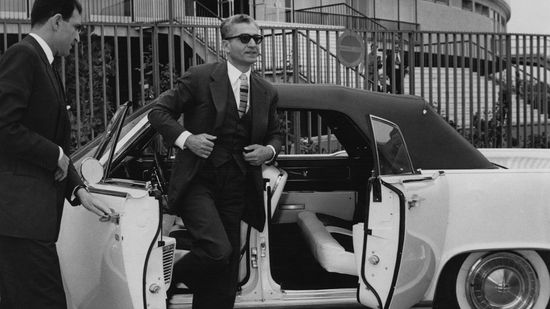
Why Did Cars Have 'Suicide Doors' and Do They Still Exist?
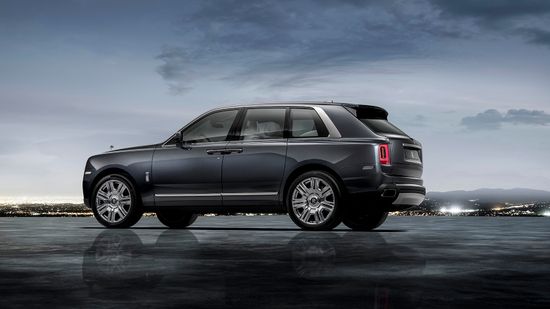
Rolls-Royce Finally Enters the SUV Market
10 Longest-lasting SUV Models Available Today
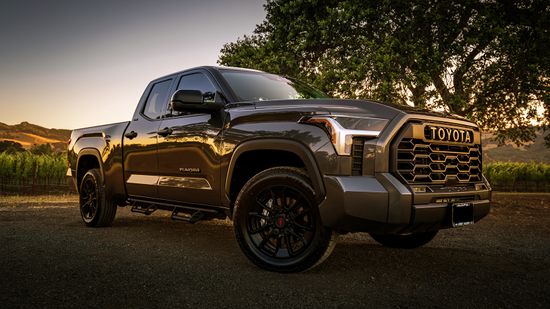
10 Longest-lasting Cars (Spoiler: 5 Are Toyotas)
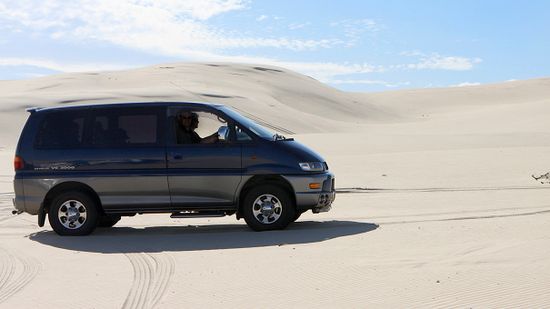
3 Facts That Show Minivans Aren't So Bad After All
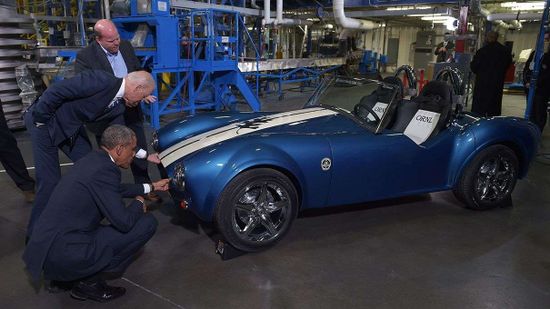
Here's Why the US Government 3-D Printed a Classic Muscle Car
10 Most Sought-after Classic Muscle Cars
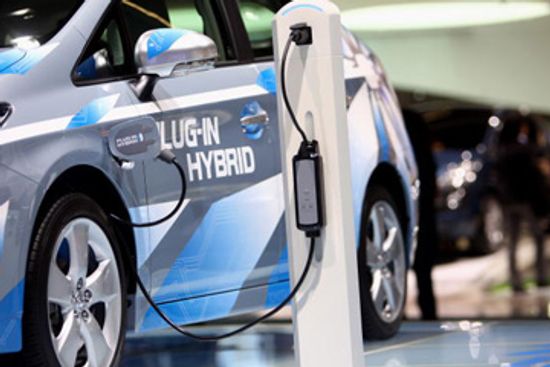
Can I own a plug-in hybrid if I live in an apartment?
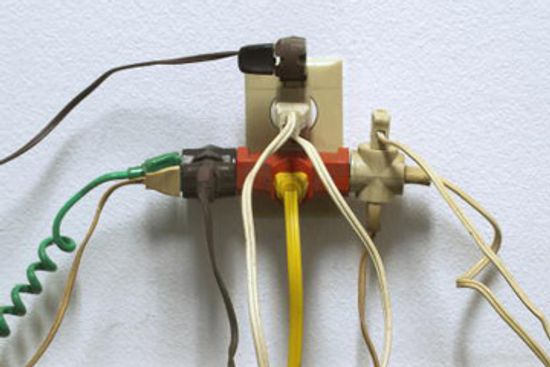
Can I own a plug-in hybrid if my home is old?
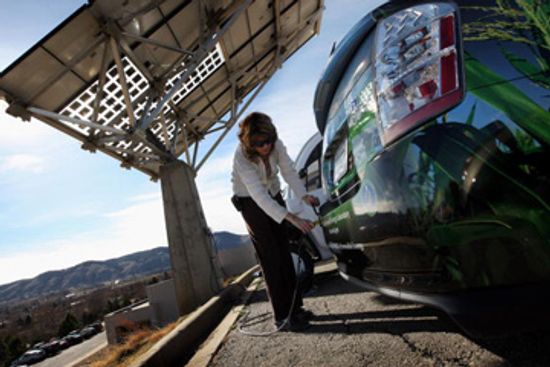
Can I use solar power to recharge a plug-in hybrid?
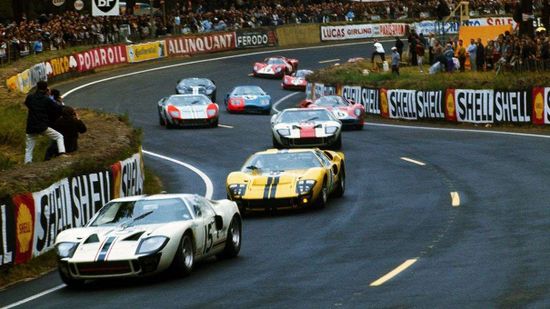
Ridiculous History: Ford GT40 Was Created Out of Spite to Beat Ferrari
How the Porsche 917 Works
Ferrari F1
The Aston Martin: From the DB1 to DB7
Porsche Joins Electric Vehicle Race With 2020 Taycan
The 10 Best Ford Mustangs Of All Time
10 Ugliest Car Designs We've Seen Available to Consumers
Kit Cars Put You in the Driver's Seat of the Hottest Cars in the World
5 U.S. Presidents and Their Beloved Cars
Learn More / Page 15
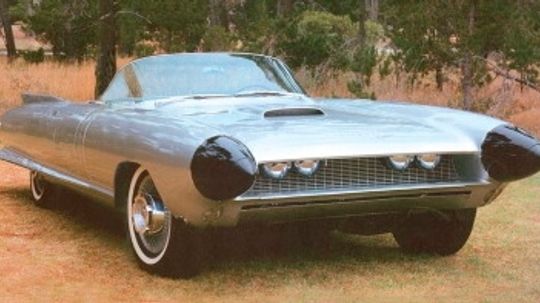
The 1959 Cadillac Cyclone was the last of a short-lived genre of 'dream cars.' Compact but flamboyant, the Cyclone marked the end of an era and capped Harley Earl's career that started in Detroit in 1926. Read more about this futuristic car.

The 1956-1958 Plymouth Fury revived a Plymouth company that had fallen on difficult times. The first Furys were the plushest and most potent Plymouths of the decade. See pictures and learn about the 1956-1958 Plymouth Fury.
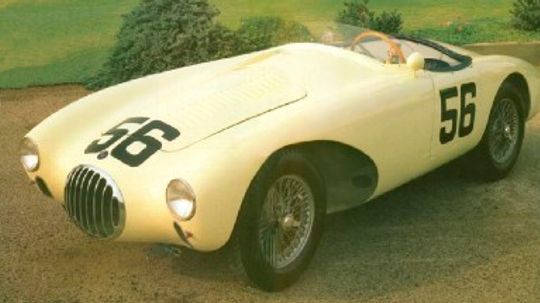
The 1954 OSCA MT-4 sports racer is the world's most famous sports-racing OSCA. Its dual-overhead-cam four displaced just 1-1/2 liters (1,452 cc), and horsepower totaled only 130 at 6,300 rpm. Learn how the 1954 OSCA MT-4 Sports Racer overachieved.
Advertisement
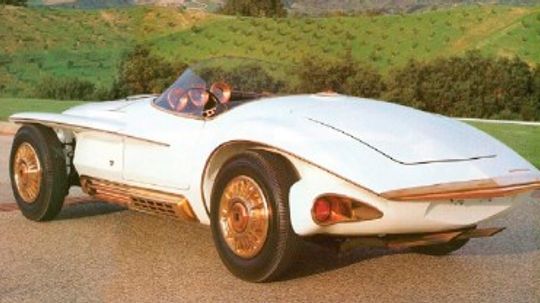
The 1965 Mercer Cobra would never have been built had it not been for the Copper Development Association, which wanted to show the practical modern uses of copper in automobile design. Read about the 1965 Mercer Cobra and its captivating copper trim.
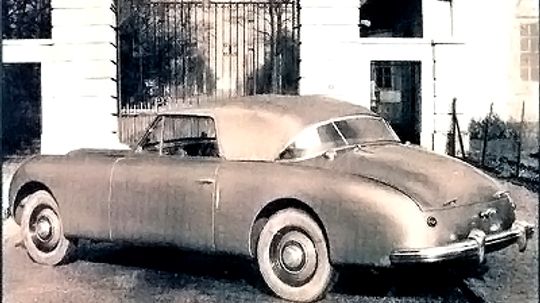
Britain's high-performance Jensen Interceptor never got much attention in the U.S., though every one of these Italian-styled tourers carried a Chrysler V-8 engine and TorqueFlite automatic transmission. Read about the 1966-1991 Jensen Interceptor.
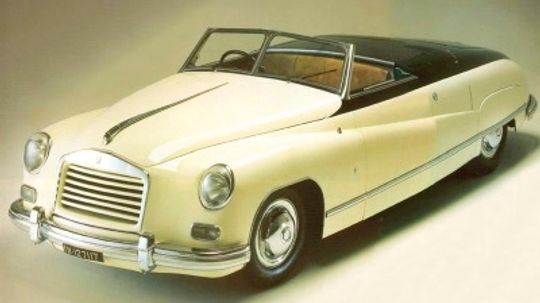
The 1947-1948 Isotta Fraschini 8C Monterosa provided a last glimpse at glory from what had been one of the world's top automakers before the market for its luxurious products dried up in the early 1930s. See the history and photos of this stunning classic.
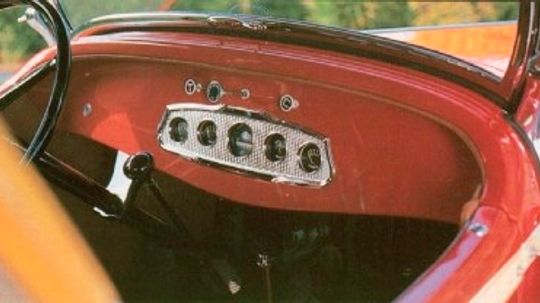
The story of the 1932 Plymouth PB Sport Roadster starts with Walter Chrysler who, like Charles Nash, learned about the business at General Motors. Not until 1924 did Chrysler have a car under his name. Check out the 1932 Plymouth PB Sport Roadster.
Advertisement
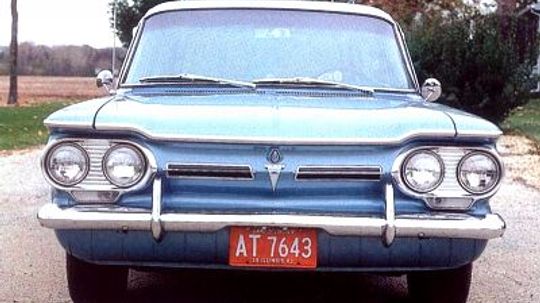
Things would never be better for the Chevrolet Corvair Monza station wagon than they were in 1962. The year brought exciting new models and enhanced performance. Learn the story and details of the 1962 Chevrolet Corvair Monza Station Wagon.
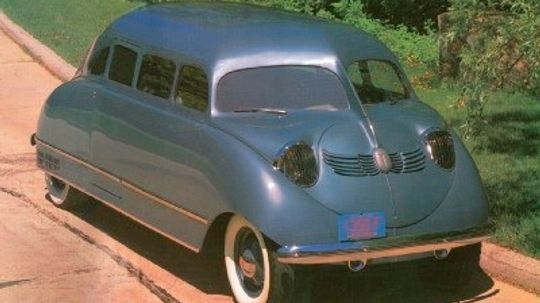
The 1936 Stout Scarab came about in the early 1930s when William B. Stout, head of the Stout Engineering Laboratories in Dearborn, Michigan, dreamed of a rear-engine, rear-wheel drive combination. Read about the unusual, pioneering 1936 Stout Scarab.
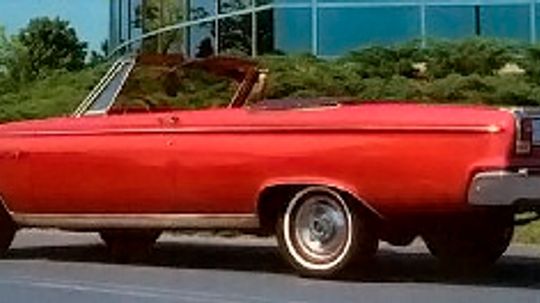
Convertibles, like the 1965 Dodge Coronet 500 Convertible, came in a wide selection of flavors back in the Sixties. Dodge offered no less than six different soft tops in its 1965 lineup. Learn the details of the 1965 Dodge Coronet 500 Convertible.
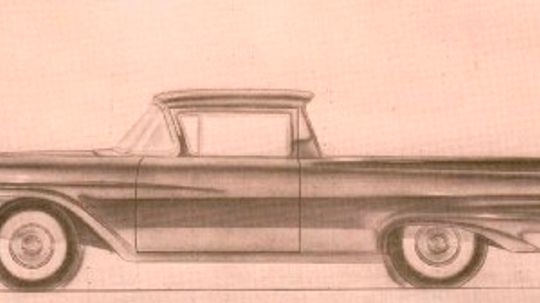
During the 1950s, exotic new body styles were the order of the day at Ford. Among them was the Ranchero, a novel car-pickup that was inspired at least in part by Ford's Australian "Ute." Learn the design and influence of the 1957-1959 Ford Ranchero.
Advertisement
The Nash and Hudson auto lines were phased out in early 1957, meaning that American Motors would henceforth rise or fall with the Rambler. Check out the 1965-1966 Rambler Ambassador, the compact car meant to be key to the company's success.
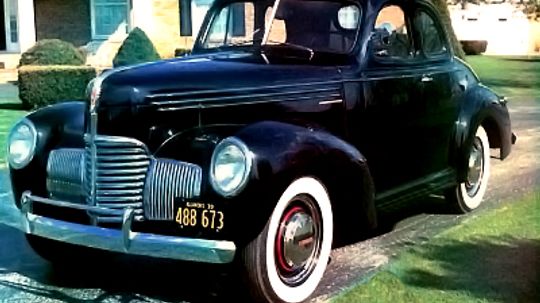
If ever a car was appropriately named, it was the 1939 Studebaker Champion. The Depression had taken its toll, and the very survival of America's oldest automaker depended on this budget-price entry for 1939. Check out the 1939 Studebaker Champion.
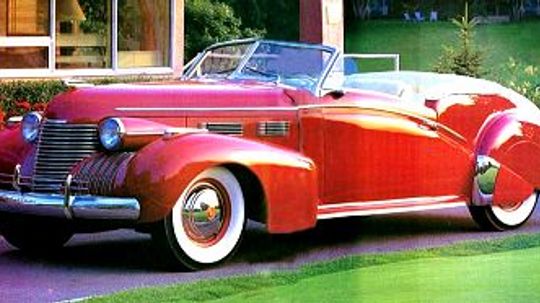
The 1940 Cadillac Custom Convertible was wider, lower, rounder, and featured modern, curvaceous "torpedo" styling. It sported a diecast grille with bold bars and less prominent "catwalk" grilles. Read about the 1940 Cadillac Custom Convertible.
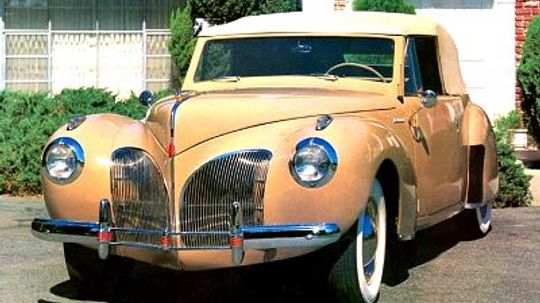
The Lincoln Continental has one of the most revered automotive designs of all time. From the moment it appeared it turned heads and made people eager to part with lots of money just to own one. Learn about the 1941 Lincoln Continental Cabriolet.
Advertisement
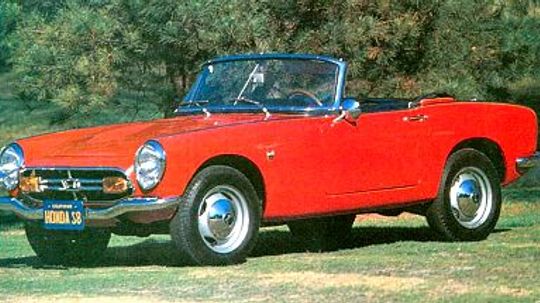
The 1969 Honda S800 is the granddaddy of today's Honda Civic CRX, and the last and most powerful version of one of the first Hondas with more than two wheels. 1969 Honda S800. Read about the 1969 Honda S800, originally the 'light car' model S360.
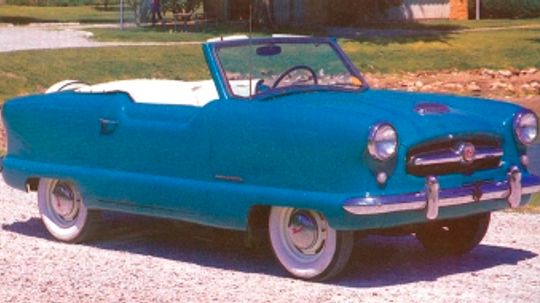
The two-seat 1954-1962 Metropolitan made inroads in the U.S. car market despite its size. For millions of people a second car was no longer a luxury but a necessity, making the Metropolitan a candidate for success. Read about the 1954-1962 Metropolitan.
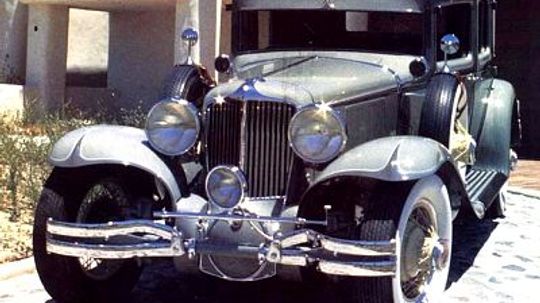
The 1929-1931 Cord L-29 was intended to fill the price gap between the Auburn Eight and the mighty J in Cord's miniature automotive empire. Read how the Cord L-29 was engineered along principles patented by famed race-car designer Harry Miller.
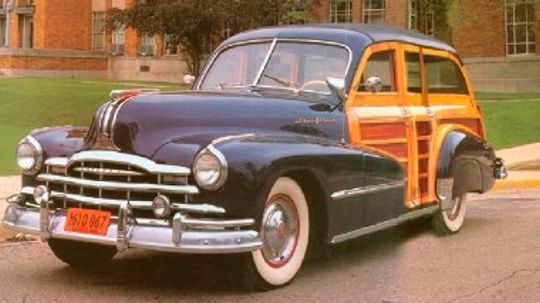
The 1949 Pontiac Streamliner Eight DeLuxe was an anomaly in the postwar auto market. After WWII, most U.S. automakers dusted off their 1942s and sold all the cars they could make. Read how the 1948 Pontiac Streamliner Eight DeLuxe was an exception.
Advertisement
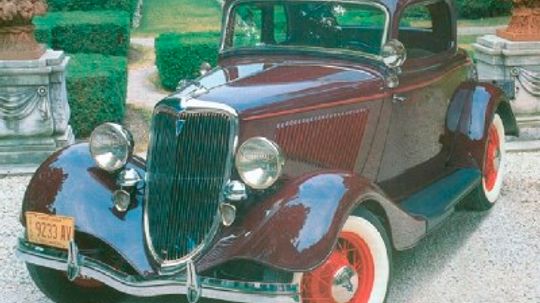
The 1934 Ford Deluxe Coupe more going for it than just power and economy. It was also stylish, thanks to Henry Ford's son Edsel. Fancy styling details along with 90 horsepower quickly set it apart. Check out the 1934 Ford DeLuxe Five-Window Coupe.
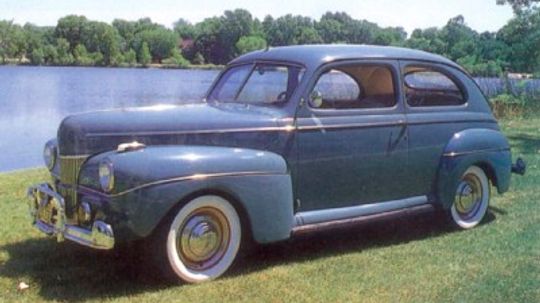
The 1941-1948 Ford Super DeLuxes were forged out of a bewildering and nearly cataclysmic period in Ford history, when all Fords were the same at heart. Read the history and details of Ford Motor Company and the 1941-1948 Ford Super DeLuxe car models.
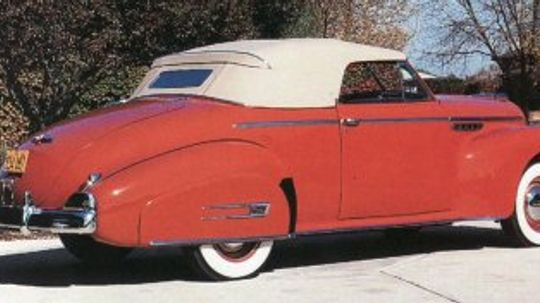
The Buick Super convertible coupe was a major contributor to Buick's success in 1941. It was second only to Ford in popularity. Read about what made this car so attractive to American drivers and view pictures of this classic.
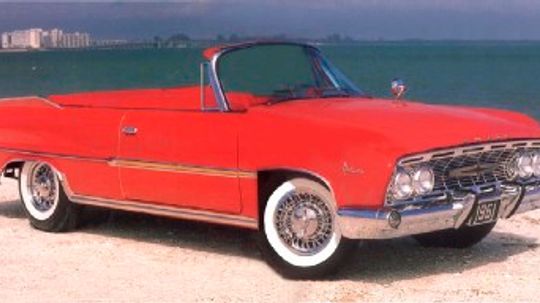
The 1961 Dodge Polara D-500 Convertible was a fusion of the Matador and Polara, and received extensive restyling, like rocket-style tail-lights and a space-age dash. Read on to learn how the 1961 Dodge Polara D-500 Convertible came to be produced.
Advertisement
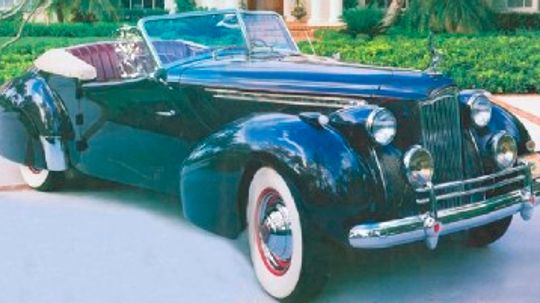
In 1940 Packard consolidated its assembly lines and began building the senior Packards, such as the 1940 Packard Darrin One-Eighty Victoria Convertible, alongside the junior cars. Learn about the 1940 Packard Darrin One-Eighty Victoria Convertible.
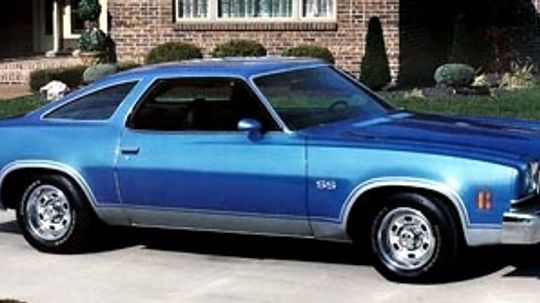
The Chevelle SS earned a place among the top muscle cars of the era. It came in a number of trims and colors while the 350 engine was rated at 145 net horsepower. See pictures and learn why this classic car was one of the era's finest.