We've all had those days: rushing around, trying to get errands done. You finally picked up the dry cleaning, and now you've got to get to the post office before it closes. So you go, pedal to the metal, thinking about what you need to get at the grocery store for dinner, when it hits you -- or, you hit it. While your mind was someplace else, the car in front of you stopped, and you rear-ended it.
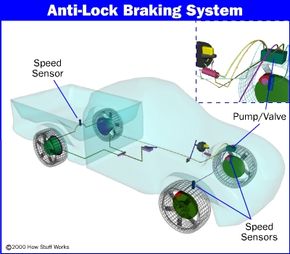
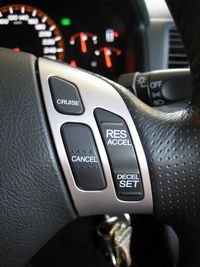
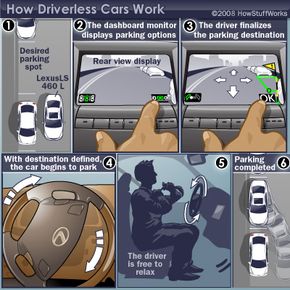
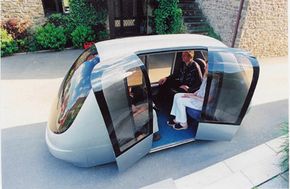
What could have prevented the accident? The obvious answer is that you could have -- by paying attention. But that answer isn't so simple. Driver error is the most common cause of traffic accidents, and with cell phones, in-car entertainment systems, more traffic and more complicated road systems, it isn't likely to go away. But if drivers aren't going to concentrate on the road, who is? If technology continues on its current course, your car will do the concentrating for you. Automakers are developing complex systems that allow cars to drive themselves. They're also furthering existing technologies such as self-parking and pre-safe systems. You may even be surprised to find out your old clunker already sports some driverless technologies.
Advertisement
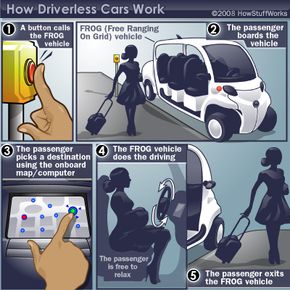
In this article, we'll learn about the technology behind cars that can operate with minimal input from drivers, including how far away these cars are from production and some of the legal issues around letting the robots take over.