Electric cars are cool. Really. They've changed drastically since HowStuffWorks first reported on the GM Sunraycer prototype that helped launch the GM EV1, the first mass-produced electric car.
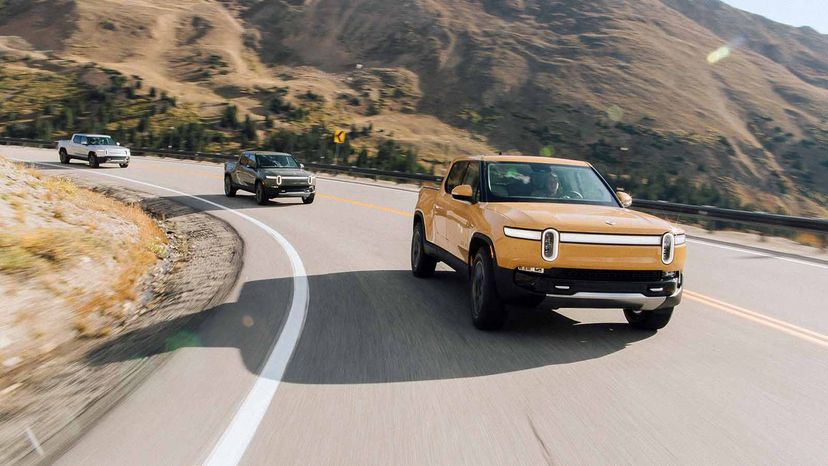
It's been nearly 30 years since General Motors' experiment with the EV1, an electric vehicle (EV) that was leased to a select group of customers between 1996 and 1999. Today, you can walk into nearly any car dealership and have your choice of fully electric vehicles, including affordable compact cars and performance-oriented trucks and SUVs.
Advertisement
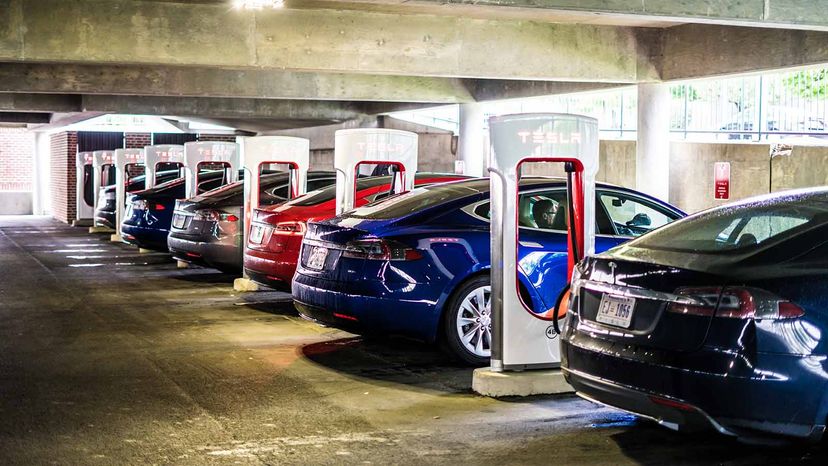
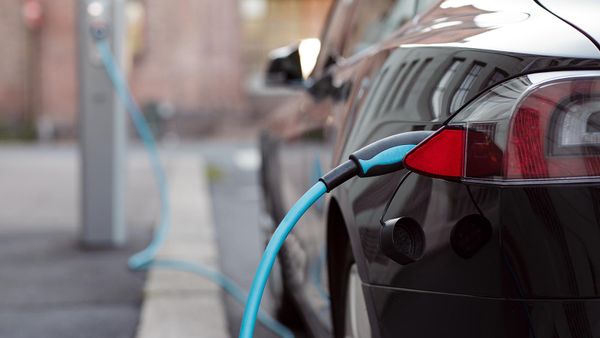
Public charging stations now dot grocery store parking lots and highway rest stops; your smartphone can tell you where the closest stations are, how much it'll cost to charge your car, and when your car's battery is fully charged. Try explaining that to your late-'90s self.
That said, EVs aren't without problems. Despite the innovative features, EVs still aren't catching on as fast as automakers, environmentalists and some legislators would hope.
But before we get into explaining how electric cars work — and how the auto industry and the United States are changing to adopt the technology — we have a word of advice.
If you haven't yet driven an electric car, go drive one. It's a completely different experience than what you know. EVs are quiet, quick and they're loaded with technology.
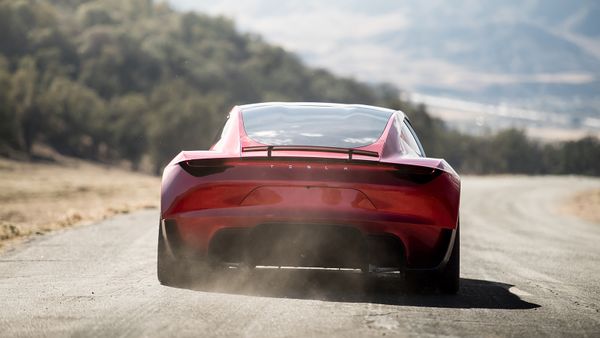
Because EVs are designed differently than gas cars, with the battery weight low to the ground and more evenly distributed, they tend to handle better. And thanks to their instant torque and simplified powertrains, electric vehicles can smoke gas vehicles in a zero to 60 race just about every time. Fun to drive? You bet.
Advertisement