Have you ever dreamed of owning your own car? Imagine driving down a tree-lined street with the windows down on a sunny day, a warm rush of air streaming through your hair... OK, snap out of your reverie. Before you start mapping out the route to the nearest beach, you just might want to learn some valuable car-buying tips.
Buying a car, whether it's a first-time purchase or not, can seem like a daunting task. You've probably seen your share of car commercials on TV and recall hearing phrases like "down payment" and "APR." Although some of the terminology may seem confusing, once you break it down, buying a car is pretty straightforward. There is certainly a lot of information you need to understand before you run off to your local dealership. But once you know what the acronyms mean and how car financing works, you'll be ready to get the best possible price on the car you've chosen.
Advertisement
In this article, we will discuss used and new car purchasing, what you need to know before you decide to buy, how to avoid common pitfalls, getting the best price and what to do if you have a problem with your purchase.
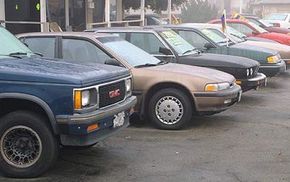
The first thing you must decide before you begin your automobile research is whether you want a new car or a used car. Of course, there are benefits and drawbacks on both sides. If you decide to buy a used car, there are several things you need to keep in mind.
First of all, there are more than 2 million car accidents annually and chances are if you are in the market for a used car, you will come in contact with at least one automobile that was in an accident. The most important thing about buying a used car is that you know everything about the history of the car, including:
- the number of previous owners
- if the car was ever involved in an accident
- any previous mechanical problems
- the maintenance history of the car
One of the largest benefits of buying a used car is that you can often get a great deal and in many cases, the car you buy may even be relatively new. Successful used car buyers often are just as happy with their used car as new car buyers are with a new vehicle. But remember, the most common car-buying horror stories do involve the purchase of used cars. When you have a good idea of what kind of car best fits your needs and budget, you can begin your research on used cars.
Read on to find out where to look for a used car.
Advertisement