Driving Tips for Snowy and Icy Roads
According to the U.S. Department of Homeland Security's Federal Emergency Management Agency (FEMA) car accidents are the number one cause of death during winter storms. Defensive driving is important. Learning how to maneuver your vehicle when confronted with winter's elements could mean the difference between winding up in a snow bank on the side of the road and arriving safely at your destination.
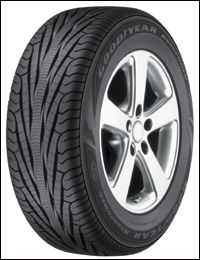
![]() Winter tires have special treads designed to help you navigate through snow and ice. |
- Before you go, listen to the radio for announcements about accidents, road closings, and road advisories. Call your local highway patrol if this information is not available on the radio.
- Plan your route ahead of time to avoid any roads that become dangerous during bad weather. If a road is closed or blocked, do not attempt to continue on this route.
- Let someone know your route so if you do become stranded, your family can let authorities know where to start looking.
- Be aware that bridges and overpasses freeze first. Slow down before reaching them and avoid sudden changes in speed or direction.
- Use gentle impulses while driving: accelerate gently, turn slowly, and brake carefully and early. Avoid unexpected quick movements that could put you in a spin by leaving ample room between you and the next car. Anticipate turns, stops, and lane changes well before they occur.
- Conversely, don't go too slow. The car will need some momentum to be able to push through heavier snow without getting stuck.
- Steer clear of trucks. They are heavier than cars and need considerably longer stopping distances. Their tires also tend to spray snow and rain into parallel lanes, further hindering your visibility.
- If you have a vehicle with four- or all-wheel drive, don't get overconfident and rely on its abilities to get you out of a problem. The traction and force created by all four wheels driving instead of two helps you get going from a stop, but does not assist your vehicle's braking ability. In fact, AWD- and 4WD-equipped vehicles are heavier than 2WD vehicles and require more time and braking power to come to a stop.
- See and be seen. Always keep your lights on while driving through rain, snow, and fog.
Conditions like snowstorm whiteouts, which hamper visibility, and "black ice," a near-invisible layer of ice caused by snow melting and freezing again, often make winter driving unpredictable and dangerous. If you find yourself in a skid, steer carefully and avoid overreacting to keep control of the car. In cars with antilock brakes systems (ABS), the brakes are automatically pumped for you in a skid situation. You should feel the brake pedal pulsating. If you're driving a car without ABS, apply easy pressure in a pumping motion to the brakes. In the event of an accident, remain calm, follow these safety tips, and call for help.
- Try to get to the right side of the road as far away from traffic as possible.
- Stay in your car with your seatbelt on. Put the hazard lights on so others on the road can see you.
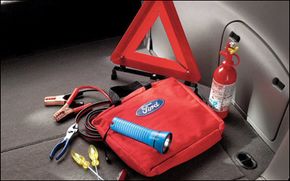
- If a flare is available, use that to call attention to your vehicle. Tying a bright piece of cloth to the antenna works as well.
- If you get stuck in snow, straighten the wheels and accelerate slowly. Avoid spinning the tires and digging yourself in deeper. Rock the vehicle back and forth, using its weight and momentum to get unstuck.
- If you can't get going, run the engine only a few minutes at a time to stay warm. Periodically crack a window to get fresh air. Keep the exhaust pipe clear of snow so harmful carbon monoxide fumes don't drift back through the car's interior.
For related car-safety information, check out these articles:
- Consumer Guide Automotive's New-Car Reviews, Prices and Information
- Car Safety Information
- How Antilock Brakes Work
- Car Buying Advice