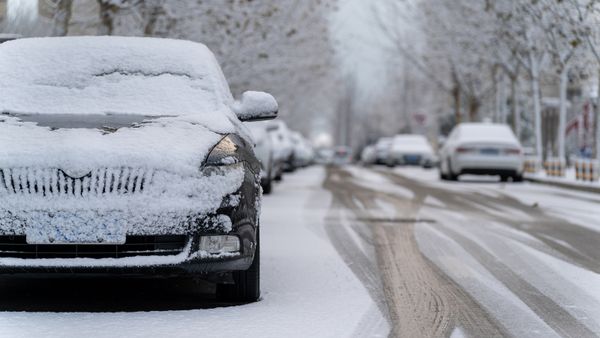
On a cold Monday morning after a snowstorm, you hop into your car and drive off to work. The engine's a bit sluggish today, but you shrug at the stop sign before moving on -- it usually is during the winter, but the old heap's never let you down, right? What could possibly go wrong?
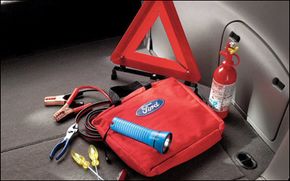
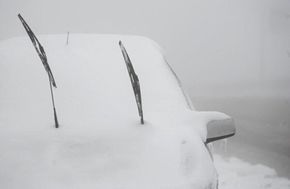
Before you know it, you're sliding over an ice patch. You test the brakes, but this only makes it worse. Then -- slam! -- you hit a snow bank, covering your car with snow and creating your own makeshift igloo. You try to start the engine again after it stalled, but it looks like the battery is dead. After several minutes of trying to force the door open, a quick look in your backseat lets you know you're stuck in the worst way. No food, no gloves, no boots, no blankets.
Advertisement
Although the chances of this terrible chain of events ever happening are slim, many of the problems described above can give you a headache during the cold months if you don't properly winterize your car. Just as it's necessary for us to put on a coat, hat and gloves in cold weather, our cars need a similar kind of attention if they're going to function at their best potential.
In this article, we lay out the top 10 tips for getting your car through the winter and staying safe out there during tough road conditions. What should you keep in the car with you? What parts should I check before driving? How important is gas and oil during the winter? Is there anything I can do with the tires? For answers to all these questions and more, read the following pages.